👻 HAUNTED PLACE · EXP. Nº9477
ACTIVE
Wilderhope Manor
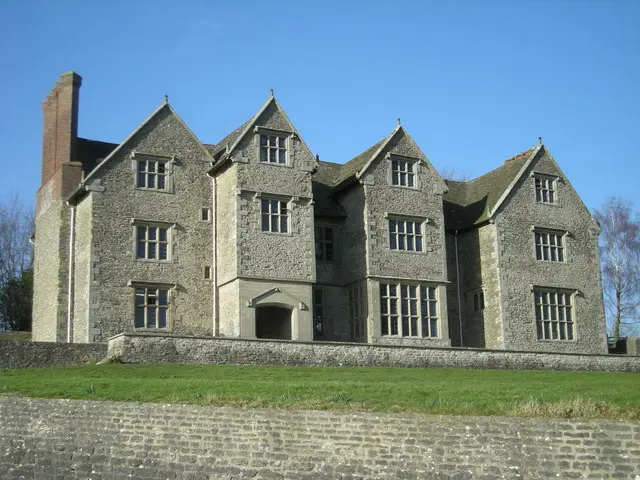
Wilderhope Manor is a Grade I listed Elizabethan manor house standing on Wenlock Edge in Shropshire, England, now managed by the National Trust and operated as a youth hostel by the Youth Hostels Association.
Where is Wilderhope Manor?
- Location
- Shropshire, England, United Kingdom
- Type
- House / mansion
- Coordinates
- 52.531, -2.673
- Last updated
LOCATION
Why is Wilderhope Manor said to be haunted?
Built of local limestone in 1585 for Francis Smallman — whose initials survive on the ceilings — the house passed through several hands after the Smallman family sold the estate in 1734, and by 1936 had fallen into disrepair. It was rescued that year by the W.A. Cadbury Trust and donated to the National Trust on the condition it become a youth hostel, opening as such in 1937. A major £500,000 refurbishment was completed in 2012, and the manor now offers 72 beds including a bridal suite with a four-poster bed. The ghost lore centres on Major Thomas Smallman, a Royalist who reportedly fled Cromwell's forces on horseback and took a desperate plunge down Wenlock Edge; his horse was killed but an apple tree broke his fall. The spot is now called Major's Leap, and both rider and horse are said to appear there. The manor itself is closed to the general public as it functions as a working youth hostel, though the surrounding estate and walking trails are publicly accessible.
What is the history of Wilderhope Manor?
Wilderhope Manor was built in 1585 for Francis Smallman, whose initials survive on the ornate plaster ceilings — evidence of his status as the original owner and patron of the building. The house remained in the Smallman family until 1734, when the estate including Wilderhope Farm was sold to Thomas Lutwyche. Historical records suggest the manor was not used as a main residence after that sale, and by 1936 it was in poor condition and unoccupied. The property was purchased that year by the W.A. Cadbury Trust, which donated it to the National Trust on the condition it be used as a youth hostel. The Youth Hostels Association opened it as a hostel in 1937, and it has remained in YHA use since. A £500,000 refurbishment was completed in 2012, adding facilities while preserving the original features that survived years of neglect — the oaken stairways, oak spiral stairs, and ornate plaster ceilings. The adjoining stable block, separately Grade II listed, has also been preserved. The manor and its surrounding estate of wooded valleys, pasture, flower-rich meadows, and ancient hedgerows are managed by the National Trust, which maintains public walking trails including the Longville Coppice Walk and Stanway Coppice Walk.
Timeline: the documented record of Wilderhope Manor
- 1585 Wilderhope Manor is built for Francis Smallman; his initials survive on the ornate plaster ceilings.
- c. 1640s Major Thomas Smallman, a Royalist, reportedly flees Cromwell's forces from the manor in a desperate horseback escape down Wenlock Edge, now known as Major's Leap.
- 1734 The estate is sold to Thomas Lutwyche; the manor ceases to function as a main family residence.
- 1936 The manor, by then in poor condition and unoccupied, is purchased by the W.A. Cadbury Trust.
- 1936 The W.A. Cadbury Trust donates Wilderhope to the National Trust on condition it be used as a youth hostel.
- 1937 The Youth Hostels Association opens Wilderhope Manor as a youth hostel.
- 12 November 1954 Wilderhope Manor is designated a Grade I listed building under reference no. 1383384.
- 2012 A £500,000 refurbishment is completed, adding 72 beds and a bridal suite with a four-poster bed.
- 2026 The National Trust announces limited opening dates for the manor house, with closures on specific dates for private events.
Is there a rational explanation for Wilderhope Manor?
The ghost story attached to Wilderhope Manor is tied to Major Thomas Smallman, a Royalist owner during the English Civil War. The core claim is that he fled Cromwell's advancing forces on horseback and took a desperate leap down Wenlock Edge, surviving only because an apple tree broke his fall while his horse was killed. This narrative is repeated in local folklore collections and ghost-guide books, but its evidentiary basis is unclear. No contemporary documents from the Civil War period — parish records, military dispatches, or estate papers — have been cited to verify that Major Smallman existed, that he was at Wilderhope during the conflict, or that the incident at Major's Leap occurred. The National Trust, which manages the property, makes no mention of the ghost story on its official website or in its published materials. The YHA, which operates the hostel, likewise does not market the manor as a haunted location. The tale circulates primarily in self-published folklore compilations and regional ghost-guide books that do not provide primary sources. Without documentary evidence linking the legend to a verified historical figure or event, the story remains local tradition rather than documented history.
Can you visit Wilderhope Manor?
Wilderhope Manor functions as a working YHA youth hostel and is not open to the general public for sightseeing. Access to the interior requires a YHA membership and a booked stay. The hostel is open to members and non-members who book a bed. The surrounding National Trust estate, including the walking trails Longville Coppice Walk (2.88 km) and Stanway Coppice Walk (2.4 km), is publicly accessible without charge. The manor is located 7 miles south-west of Much Wenlock, half a mile south of the B4371. Parking is limited. There is poor mobile reception. The National Trust recommends checking the YHA website for current opening times and booking information, as the building may be closed on certain dates for private events. The manor house itself was closed on certain dates in 2026 according to the National Trust schedule.
Sources consulted
- C.R.J. Currie (ed.), «A History of the County of Shropshire: Volume 10: Munslow Hundred (part), The Liberty and Borough of Wenlock» — British History Online, 1998 academic
- Dorothy Nicolle, «Shropshire Walks with Ghosts and Legends» — Countryside Books, 2003 book
- YHA, «The Youth Hosteller» — YHA, 1959 archive
- Historic England, «Historic England listing for Wilderhope Manor» — National Heritage List for England, 2012 archive
- Northern Design Awards, «Northern Design Awards 2012 entry» — Northern Design Awards, 2012 report
- National Trust, «National Trust website on Wilderhope Manor» — National Trust, 2026 archive
- Youth Hostels Association, «YHA Wilderhope webpage» — YHA, 2012 archive
- John Newman and Nikolaus Pevsner, «Shropshire (Buildings of England series)» — Yale University Press, 2006 book
Reviewed by V. Serrano on 2026-08-29 · How we verify our content
💬 Field testimonies (0)
No testimonies yet. Add the first.
Add your testimony
🔒 Log in to add a testimony