👻 HAUNTED PLACE · EXP. Nº9475
ACTIVE
White House
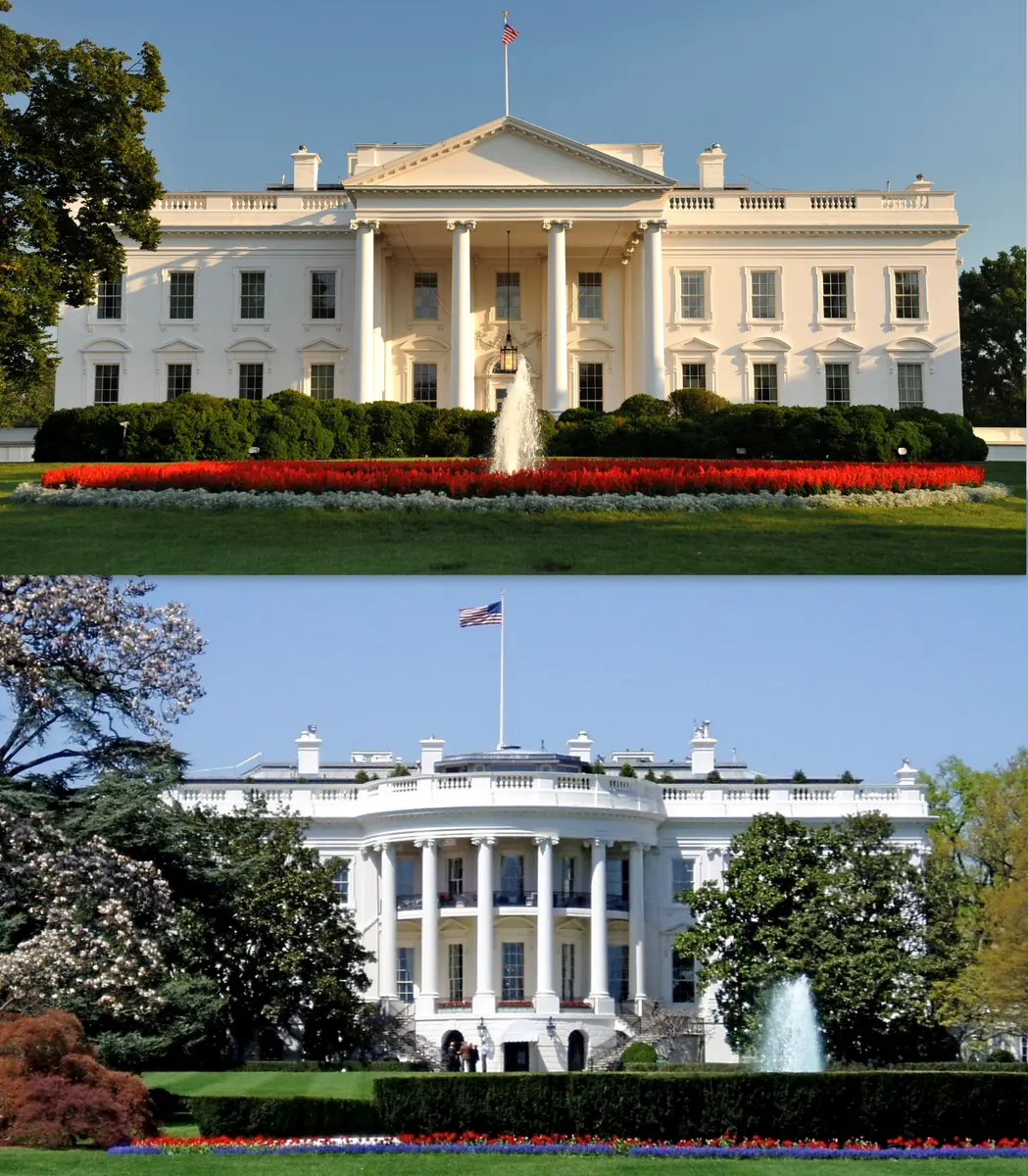
The White House has attracted ghost stories since the nineteenth century. First Lady Abigail Adams is said to appear carrying laundry — an echo of her using the East Room to hang the washing.
Where is White House?
- Location
- District of Columbia, United States
- Type
- House / mansion
- Coordinates
- 38.898, -77.036
- Last updated
LOCATION
Why is White House said to be haunted?
But the persistent legend is Abraham Lincoln, assassinated in 1865: staff and guests have reported for generations that they saw him pacing the halls or standing at a window in the Lincoln Bedroom. The White House Historical Association points to a far more earthly origin: the tales that Jeremiah Smith, the house's cleaner for some thirty-five years, told reporters on slow news days. And there is a material explanation for the noises: when Harry Truman described them in his letters of 1945-46, the building really was falling apart — so much so that it had to be gutted and rebuilt from the inside between 1948 and 1952.
What is the history of White House?
Most famous haunted houses are haunted by strangers: a name on a gravestone, a story someone's grandmother told. The White House is different. Almost everything in its ghost repertoire was first said out loud by somebody whose name is on the payroll or on the mail — a duster, a military aide, a first lady, a president writing to his wife. And almost all of it was said while the building was quietly falling apart.
The oldest thread starts before the plaster was dry. John and Abigail Adams moved into an unfinished President's House in November 1800. The vast room James Hoban and George Washington had designed as a "Public Audience Room" — what is now the East Room — had no use yet, so the first lady used it to hang out the wash. That is the documented fact, kept by the White House Historical Association in its own room-by-room history of the house. The ghost story grew out of it later: staff describing the smell of damp laundry and lavender in the grandest room in the building, and Abigail Adams still at work in it.
The man who probably did more than anyone to populate the house with spirits was not a president. Jeremiah "Jerry" Smith came to the White House during the Ulysses S. Grant administration in the late 1860s as a footman and stayed roughly thirty-five years, working as butler, cook, doorman and "official duster". Reporters called him the Knight of the Feather Duster, and the photographer Frances Benjamin Johnston posed him with it in 1889. The historian William Bushong, writing for the White House Historical Association, makes the case plainly: the legend of Lincoln's ghost "may have emanated from stories that Jeremiah 'Jerry' Smith would spin for reporters". A Chicago newspaper in 1889 described him as "a firm believer in ghosts and their appurtenances", convinced "that the White House is haunted by the spirits of all the departed Presidents, and, furthermore, that his Satanic majesty, the devil, has his abode in the attic", a conviction he refreshed "at intervals" with "some new strange noise he has heard". Smith said he had seen Lincoln, Grant and McKinley, and that they tried to speak to him but could only produce a buzzing sound. He was also the man who shouted the news of McKinley's shooting down a White House stairwell. Theodore Roosevelt visited him at home in Washington shortly before he died of throat cancer in 1904; the Los Angeles Times wrote that "the White House was more changed by his disappearance than by the architects who remodeled it".
Other nineteenth-century residents of the story have simply been forgotten. In 1883 the Washington Critic printed a "White House attaché's" description of an old man haunting the Second Floor bedrooms — "an aged and bent man with long, phosphorescent, white beard and hair" whose "walk is noiseless but stately". In 1897 a White House policeman investigating a light in the greenhouse complex on the west side of the building said he was met by "a tall, beautiful lady dressed in the fashion of the early nineteenth century", who vanished leaving "a musical laugh". He went back a month later, felt a rush of air and a touch on his shoulder, and fainted. Having told his superiors, he was discharged.
The best-documented episode of all belongs to the Taft years, and it survives because someone wrote it down at the time. On 26 July 1911 Major Archibald Butt, President William Howard Taft's military aide, wrote to his sister Clara: "It seems that the White House is haunted . . . The ghost, it seems, is a young boy—from its description, I should think about fourteen or fifteen years old . . . They say that the first knowledge one has of the presence of the Thing is a slight pressure on the shoulder, as of someone were leaning over your shoulder to see what you might be doing." When Butt repeated the staff gossip to the president, Taft flew into "a towering rage" and ordered him to tell the housekeeper that the first member of staff to repeat the story would be fired.
And then comes Harry Truman, who is the reason this file exists. In a letter to Bess dated 12 June 1945 — the National Archives catalogues it under the subject heading "Ghosts" — the new president wrote: "I sit here in this old house and work on foreign affairs, read reports, and work on speeches—all the while listening to the ghosts walk up and down the hallway and even right here in the study. The floors pop and the drapes move back and forth—I can just imagine old Andy and Teddy having an argument over Franklin. Or James Buchanan and Franklin Pierce deciding which was the more useless to the country." On 9 September 1946 he wrote again: "The damned place is haunted, sure as shootin. . . . You and Margie had better come back and protect me before some of these ghosts carry me off."
He was describing a structural failure. The floors swayed underfoot, joints popped and cracked, and rats moved through holes in the walls. In 1948, while Lorenzo Winslow was building the balcony on the South Portico, the leg of Margaret Truman's piano went through the floor of her sitting room on the Second Floor. A photograph taken on 7 March 1950 shows the cracked wooden beam that had been carrying it. Engineers concluded that the entire second floor was unsafe and that the interior load-bearing walls were grossly inadequate. On 8 November 1948, on the recommendation of the Federal Works Administrator, the presidential household moved across the street to Blair House and the Mansion was closed to visitors.
Truman then did something no ghost story can compete with: he put the diagnosis in writing to Congress. In a letter dated 16 February 1949 he asked for $5,400,000 and reported that "structural conditions in the Executive Mansion are more critical than was anticipated, and that it cannot be used for residence or other purposes without the completion of major repairs". He noted that razing and rebuilding would probably be cheaper, and refused. On 25 March he asked Congress to create a supervising commission; the bill was approved on 14 April 1949. In December 1949 crews began dismantling the interior. Foundations were dug twenty-two feet below the existing footings, a steel skeleton was raised inside the original stone walls, and everything within them was torn out. The cracked Georgia longleaf pine beams James Hoban had installed after the 1814 fire were trucked to Knipp & Co. in South Baltimore, where a crew of a dozen men — one of them Earvin Ruddick, interviewed decades later by Robert Klara — cut out the splintered sections and milled the rest into moulding for the ground-floor rooms.
The Trumans moved back in on 27 March 1952, into a house whose exterior was ancient and whose interior was one year old. The final bill came to about $5.7 million, and Truman thought it outrageous: "With all the trouble and worry it is worth it—but not 5 ½ million dollars! If I could have had charge of the construction it would have been done for half the money and in half the time!" Later that year he walked a television audience through the result alongside Walter Cronkite, Bryson Rash and Frank Bourgholtzer — the transcript is in the National Archives — and told the story of Dolley Madison saving the Gilbert Stuart portrait of Washington in 1814. He had, in the most literal sense available, exorcised the house: the floors that popped no longer existed.
Timeline: the documented record of White House
- November 1800 John and Abigail Adams move into the unfinished President's House. The great room designed by Hoban and Washington as a "Public Audience Room" — today's East Room — has no use yet, and the first lady hangs the washing there. The ghost story of Abigail Adams and the laundry grows out of this documented fact.
- May 1883 The Washington Critic prints a "White House attaché's" account of an old man haunting the Second Floor bedrooms: "an aged and bent man with long, phosphorescent, white beard and hair" whose "walk is noiseless but stately". The figure never joins the standard cast of White House ghosts.
- 27 September 1889 The Chicago Daily Inter Ocean describes the White House "official duster" Jeremiah "Jerry" Smith as "a firm believer in ghosts", convinced that the house is haunted by every departed president and that the devil lives in the attic. Historian William Bushong argues the Lincoln ghost legend may have started with Smith's stories to reporters.
- 1897 A White House policeman investigating a light in the greenhouse complex reports meeting "a tall, beautiful lady dressed in the fashion of the early nineteenth century", who vanishes leaving "a musical laugh". A month later he faints after feeling a touch on the shoulder. After reporting it to his superiors he is discharged.
- July 1904 Jerry Smith dies of throat cancer after some thirty-five years of service, having been visited at home by President Theodore Roosevelt. The Los Angeles Times writes that "the White House was more changed by his disappearance than by the architects who remodeled it".
- 26 July 1911 Major Archibald Butt, President Taft's military aide, writes to his sister Clara about "the Thing", a boy of fourteen or fifteen whose presence is felt as "a slight pressure on the shoulder". Taft reacts with "a towering rage" and orders that the first staff member to repeat the story be fired.
- 12 June 1945 Two months into his presidency Harry Truman writes to Bess: "I sit here in this old house … listening to the ghosts walk up and down the hallway and even right here in the study. The floors pop and the drapes move back and forth." The National Archives catalogues the letter under the subject heading "Ghosts".
- 9 September 1946 Truman writes again to Bess: "The damned place is haunted, sure as shootin. . . . You and Margie had better come back and protect me before some of these ghosts carry me off."
- 1948 While Lorenzo Winslow builds the South Portico balcony, the leg of Margaret Truman's piano goes through the floor of her Second Floor sitting room. Engineers conclude the entire second floor is unsafe and the interior load-bearing walls grossly inadequate.
- 8 November 1948 On the recommendation of the Federal Works Administrator, the presidential household is transferred to the Blair and Blair-Lee Houses and the Mansion is closed to visitors.
- 16 February 1949 Truman asks Congress for $5,400,000, reporting that "structural conditions in the Executive Mansion are more critical than was anticipated, and that it cannot be used for residence or other purposes without the completion of major repairs". He notes that demolishing and rebuilding would be cheaper, and refuses.
- 25 March–14 April 1949 Truman asks Congress to create a commission to supervise the work; on 14 April he signs the bill establishing the Commission on Renovation of the Executive Mansion.
- December 1949 Crews begin dismantling the interior. Everything inside the original stone walls is removed; foundations are dug twenty-two feet below the existing footings and a steel skeleton is raised inside the shell.
- 1951 James Hoban's cracked Georgia longleaf pine beams, installed after the 1814 fire, are trucked to Knipp & Co. in South Baltimore. A crew of about a dozen men, among them Earvin Ruddick, cut out the splintered sections and mill the rest into moulding for the ground-floor rooms.
- 27 March 1952 The Truman family moves back into a White House whose exterior is original and whose interior is new. The final cost is about $5.7 million; Truman calls it worth the trouble "but not 5 ½ million dollars!"
- 1952 Truman leads a televised tour of the rebuilt house with Walter Cronkite, Bryson Rash and Frank Bourgholtzer. The transcript is held by the National Archives.
- 1986 At a state dinner for Canadian Prime Minister Brian Mulroney, President Ronald Reagan publicly recounts that the family dog Rex "barked frantically" outside the Lincoln Bedroom and refused to enter, and that his daughter and son-in-law reported an apparition there more than once — 34 years after the house was rebuilt.
- 2018 Jenna Bush Hager says on television that she and her twin sister Barbara woke in the night to 1920s piano music "clear as day coming out of the fireplace" of their bedroom in the Residence.
Is there a rational explanation for White House?
The tempting conclusion is that the White House stopped being haunted in 1952, when Truman threw the haunted part into a skip. It is a good hypothesis and it is only half true, which is more interesting.
The material explanation is as strong as this kind of explanation ever gets, because the witness and the debunker are the same man. Truman heard footsteps in the hallway and drapes moving on their own; three years later engineers told him the second floor was unsafe and the interior load-bearing walls grossly inadequate, and he wrote to Congress that the place could not be lived in. The Truman Library's own account of it is unsentimental: the family joked in letters and diaries about the ghosts of presidents past, and "these mysterious noises were actually telltale signs that the White House was disintegrating". A house with unsupported floors, no interior foundations, decades of plumbing and wiring cut through its structure, and rats in the walls will generate footsteps, knocks and moving fabric on demand. Jerry Smith's devil in the attic has an even flatter answer: the noises were rats, and the devil itself was a story he invented to keep young Nellie Grant and her friends from playing up there.
So far, so tidy. But the stories did not stop when the building was rebuilt. Ronald Reagan told a version publicly at a 1986 state dinner for the Canadian prime minister Brian Mulroney: the Reagans' dog Rex "barked frantically" at the entrance to the Lincoln Bedroom and would not go in, and his daughter and son-in-law reported seeing something in the room more than once. Jenna Bush Hager said on television in 2018 that she and her twin sister woke in the night to 1920s piano music "clear as day coming out of the fireplace". Michelle Obama has described noises in the residence hallway at night that sent both her and the president out to look. Whatever produced those, it was not Hoban's 1817 beams: they had been milled into moulding sixty years earlier. The honest reading is that the collapsing house explains the sounds Truman heard beautifully, and explains nothing at all about why the tradition survived its own demolition.
The most quotable White House ghost story is also the one with the least behind it. Winston Churchill is supposed to have stepped out of the bath, cigar in hand, seen Lincoln at the fireplace and said "Mr. President, you seem to have me at a disadvantage." Richard M. Langworth, senior fellow of the Hillsdale College Churchill Project and for decades editor of Finest Hour, went looking for it and reported: "no, I found no mention of WSC saying he met Lincoln's ghost among his 80 million published words and words about him." Langworth adds the geographical problem: the room was Lincoln's study, not his bedroom, and only acquired the name Lincoln Bedroom later. The White House Historical Association's own inventory of house ghost lore names Grace Coolidge and Queen Wilhelmina of the Netherlands as having claimed to see Lincoln — and does not include Churchill at all. The frequently repeated line that Eleanor Roosevelt admitted feeling Lincoln looking over her shoulder is likewise absent from the Association's list; it reaches us through popular ghost compilations rather than through her own papers, and should be treated accordingly.
There is a structural reason the White House produces unfalsifiable ghost stories at a steady rate. The rooms where the sightings happen — the Lincoln Bedroom, the Yellow Oval Room, the second-floor hallway — are in the Residence, and no member of the public has ever set foot in them. The public tour covers the State Floor only. Nobody has ever run an instrument survey in the Lincoln Bedroom, and nobody ever will. Every account therefore comes from a group of a few dozen people at a time who cannot be followed up, checked or contradicted, and who are speaking about the most photographed private rooms on earth. That is a perfect incubator: maximum public appetite, zero possibility of verification.
Colleen Shogan, writing for the Association, offers the cultural half of the answer. Ghost stories cluster around unfinished business, and Lincoln's is the most unfinished business in American history — shot weeks after promising a Reconstruction he never got to lead. Of the presidents who actually died inside the White House, William Henry Harrison and Zachary Taylor, neither generates anything like the same volume of sightings. The building's ghosts are not distributed by who died there. They are distributed by who is still missed.
Can you visit White House?
The White House stands at 1600 Pennsylvania Avenue NW, Washington, D.C., inside President's Park, which the National Park Service administers. Tours are free and self-guided; whitehouse.gov gives the length as about 45 minutes and no tour is sold at any price. Requests go through a Member of Congress, or through an embassy in Washington for foreign nationals.
The two official pages disagree about the request window. The Park Service page states that requests "can be submitted up to three months in advance and no less than 21 days in advance", while whitehouse.gov gives the window as "7 – 90 days in advance of the requested tour date"; both were consulted on 9 September 2026. The hours published by whitehouse.gov are 7:30 a.m. to 11:30 a.m. from Tuesday to Thursday and 7:30 a.m. to 1:30 p.m. on Friday and Saturday, federal holidays excluded. The Park Service adds that tours "may be subject to last minute cancellation" and directs every visitor to the 24-hour Visitors Office information line, 202-456-7041, for changes to the schedule.
Every guest, whatever their age, submits personal information through an RSVP link before arrival and presents government-issued identification that matches it; since 7 May 2025 that identification has had to meet the REAL ID standard, with a passport accepted instead. Flash photography and video recording are not permitted on the tour. Neither official page lists the rooms on the route. The sightings gathered in this file are placed on the Residence floors: the Lincoln Bedroom; the Yellow Oval Room; the second-floor corridor.
The White House Visitor Center at 1450 Pennsylvania Avenue NW charges no admission. Its Park Service page describes roughly a hundred historical artefacts with interpretive panels and looping videos; over 90 objects from the White House collection; a 14-minute film, "White House: Reflections From Within". Entry is by security screening "similar to TSA-style airport security", and the prohibited list runs from pets other than service animals to bags larger than 18 by 16 by 8 inches. The same page adds that there are "NO storage facilities available at The White House complex or the White House Visitor Center".
President's Park itself is open all year and free of charge. Lafayette Park lies on the north side of the house and the Ellipse on the south. The park's alerts and conditions page carried no closure notice on 9 September 2026.
Sources consulted
- William Bushong, «The Origin of the Abraham Lincoln Ghost Story» — White House Historical Association, 2015 web
- William Bushong, «Forgotten Ghosts of the White House» — White House Historical Association, 2015 web
- White House Historical Association, «White House Ghost Stories (press backgrounder)» — whitehousehistory.org, 2026 web
- Colleen Shogan, «Things That Go Bump in the Blue Room: Why is the White House Haunted?» — White House Historical Association, 2020 web
- White House Historical Association, «The White House is Falling Down (gallery, with the Truman letters of June 1945 and 9 September 1946)» — whitehousehistory.org, 2026 web
- Harry S. Truman, «Letter to the President of the Senate Transmitting Appropriation Estimate for White House Repairs, 16 February 1949» — Public Papers of the Presidents, Harry S. Truman Library and Museum (NARA), 1949 archive
- Harry S. Truman, «Letter to the President of the Senate and to the Speaker of the House on Establishing a Commission on the Renovation of the White House, 25 March 1949» — Public Papers of the Presidents, Harry S. Truman Library and Museum (NARA), 1949 archive
- Harry S. Truman, «Letter from Harry S. Truman to Bess W. Truman, 12 June 1945 (National Archives Identifier 154961654; subject heading "Ghosts")» — National Archives Catalog / Harry S. Truman Library, 1945 archive
- Harry S. Truman Library and Museum, «The Renovation of the White House, 1945-1952 (online document collection)» — National Archives and Records Administration, 2026 archive
- Harry S. Truman Library and Museum, «The White House renovation (background and classroom document set)» — National Archives and Records Administration, 2020 report
- Robert Klara, «The Hidden White House: The Truman Renovation, 1948-1952» — White House Historical Association, 2014 web
- Richard M. Langworth, «Lincoln's Ghost, Churchill and the White House» — richardlangworth.com (Hillsdale College Churchill Project), 2018 web
- Katherine Brodt, «The Legends of Lincoln's Ghost» — Boundary Stones, WETA, 2020 web
- White House Historical Association, «The East Room» — whitehousehistory.org, 2026 web
- Truman Library Institute, «Saving the White House: Truman's Extreme Makeover» — trumanlibraryinstitute.org, 2017 web
- National Park Service, «How to Tour The White House» — The White House and President's Park (nps.gov), 2026 web
- National Park Service, «White House Visitor Center» — The White House and President's Park (nps.gov), 2025 web
- The White House, «Visit The White House — White House Tours» — whitehouse.gov, 2026 web
- Harry S. Truman et al., «Transcript of Televised Tour of the Renovated White House with President Harry S. Truman, Walter Cronkite, Bryson Rash and Frank Bourgholtzer (National Archives Identifier 170104261)» — National Archives Catalog / Harry S. Truman Library, 1952 archive
Reviewed by V. Serrano on 2026-07-31 · How we verify our content
💬 Field testimonies (0)
No testimonies yet. Add the first.
Add your testimony
🔒 Log in to add a testimony